

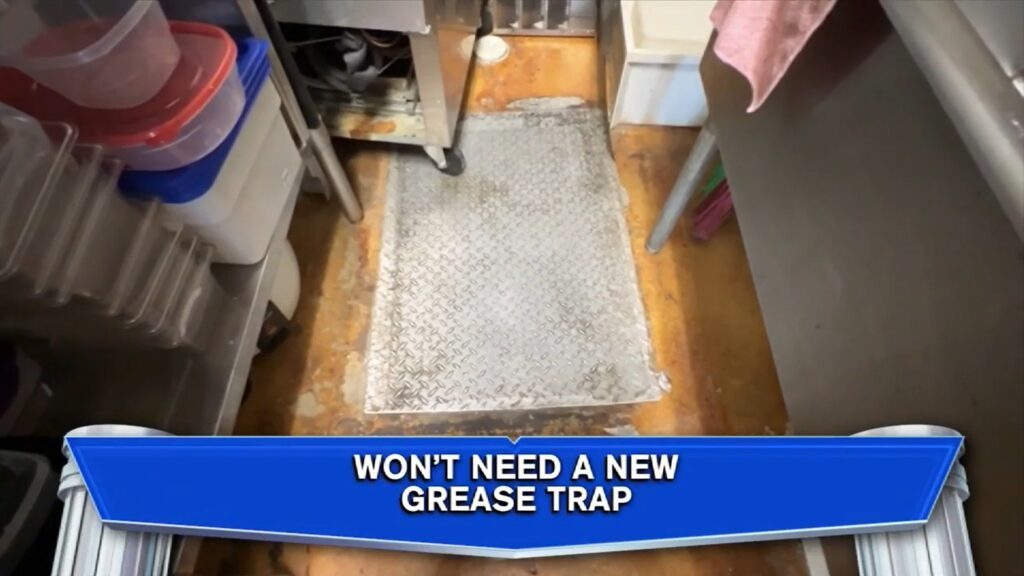
Combat Florida Grease Trap Crackdown With Our Solid Separator
Miami-Dade’s grease trap and FOG compliance rules have become a major pressure point for commercial kitchen owners and operators. When a grease control device fails or a prohibited discharge occurs, the consequences can move fast, cost a lot, and disrupt your ability to stay open.
- Miami-Dade’s grease trap rules can turn one breach or prohibited discharge into strict deadlines, expensive fixes, and serious business risk.
- Operators may face requirements that go beyond a simple repair, including permits, professional sign-offs, and potentially costly upgrades to meet newer standards.
- Hidden triggers like ownership changes, renovations, or permit issues can sometimes force compliance upgrades, even when the kitchen believes its system is working fine.
- Falling out of compliance can lead to escalating penalties and operational consequences, which is why documentation, maintenance records, and proactive planning matter.
- Reducing food solids before they reach your grease trap can help your system work more efficiently between cleanouts and lower the risk of clogs that contribute to breaches. The Drain Strainer solid separator can help by capturing food solids upstream so you’re not cleaning out your grease control device as often.
Let’s take a closer look at each of these main points in more detail.

Miami’s New Grease Trap Rules Can Lead To Major Bills
If you operate a commercial kitchen in the Miami-Dade area of Florida, grease management isn’t just a maintenance line item anymore.
Recent local news reporting and county action show how a single problem with your fats, oils, and grease (FOG) control device can quickly escalate into deadlines, paperwork, and costs that feel far bigger than the original issue.
Why These New Rules Are Hitting Local Restaurants So Hard
The core frustration that many operators are voicing is these policies can feel like "one-strike and you're out" when they are enforced.
Under the County’s FOG framework, any breach that leads to a prohibited discharge can trigger requirements that go beyond just a simple repair, including the possibility of installing a new grease management device that meets newer, more demanding standards within a fixed timeline.
That matters because what is defined as a breach doesn’t always feel like a catastrophe in the moment.
In a busy commercial kitchen, it could just be one bad shift, one missed cleanout, one gasket failure, or one unexpected surge that pushes your grease trap system past its limit.
But the consequences are measured by what reaches the sewer system, not how chaotic your day was behind the line.
The County Timelines That Put You on the Clock
Once any FOG control device is considered breached, the compliance clock can start moving fast.
The County code describes a short window for temporary repairs, followed by a requirement to submit plans for permanent repair or replacement, and then a longer window for completing the permanent fix, unless the County authorizes otherwise.
On top of the physical work, the rules also create ongoing documentation expectations.
The code includes an annual FOG control device certification that must be prepared by a qualified professional attesting the device is functioning as designed and in good working order.
The Hidden Triggers Operators Don’t Expect
One of the most stressful parts of the current grease trap conversation in Miami is that these high-cost requirements may be triggered by more than just an obvious equipment failure.
Local news coverage has highlighted how other issues such as ownership changes, back-of-house modifications, or even administrative issues like permit expiration can create pressure to meet these newer standards, even when a commercial kitchen believes their current setup is working just fine.
This is where commercial operators feel like they’re being asked to fund “legacy infrastructure upgrades” through sudden, business-disrupting capital expenses—often on timelines that don’t match how long permitting and construction realistically takes in the real world.
When “Low Grease” Still Isn’t “No Grease Requirements”
A recent consumer-help news story followed a small food business that said it was cited and fined, then told it would need a more robust grease interceptor setup with an estimated price tag in the tens of thousands.
The business argued it produced minimal grease, but the case showed how location-based rules and food-service classifications can still pull operators into expensive grease control requirements, even when fried food isn’t the main thing they sell.
The key takeaway for commercial kitchen operators is not that every business will face that exact outcome, but that making the wrong assumptions can be expensive.
If you’re in a sensitive environmental area or your permit category requires a particular grease management device regardless of your operation, you may need to pursue the proper approval path, such as an exemption or variance process, rather than relying on “we don’t cook much grease” as your compliance plan.
What Enforcement Can Mean if You Fall Behind
The stakes go beyond a warning letter. The County code provides enforcement tools that can include escalating penalties, and in certain circumstances the ability to require a facility to stop operating or to terminate water service if prohibited discharges continue.
That’s why Miami operators are paying close attention to this issue right now.
When consequences can affect your ability to operate, grease management becomes not just about following best practices but more about their business surviving.
County Leaders Are Taking A Second Look At These Rules
In response to rising concerns, the Miami-Dade Board of County Commissioners has directed the County Administration to study whether these FOG regulations can be implemented or enforced in a way that is less financially burdensome on local businesses, and whether their rules should be amended.
The resolution language also acknowledges the concern that even a first-ever, minor breach could force a business into a costly replacement with little or no environmental harm from the incident.
Local news coverage has described this as a fast-moving review, reflecting urgency around how enforcement impacts smaller operators. The formal County language sets a defined reporting timetable tied to Board procedures.
Reduce Your Risk Before the Next Inspection or Surprise Overflow
The safest approach in this current environment is to treat grease control like an entire system, not just one box in the ground.
That means staying current on your permits, keeping cleanout and hauling documentation organized, and making sure your grease management device is maintained in a way that prevents this scenario with the biggest consequences: a prohibited discharge caused by a breach.
It also means paying attention to what’s feeding into your grease control device.
Many problems begin upstream, when food solids and scraps build up, reduce capacity, and accelerate the conditions that lead to backups and overflows.
The more food solids that reach your grease trap or interceptor, the faster you can end up with thick layers that require more frequent cleanouts and raise the chance that something goes wrong on a busy week.
The Drain Strainer Helps Protect Your Grease Trap
If your goal is fewer emergencies, fewer all-hands on deck cleanouts, and a lower chance of a breach that spirals into major costs, then solids control is one of the most practical places to start.
The Drain Strainer solid separator is designed to capture food solids before they move deeper into your plumbing and grease control system.
By reducing the amount of solids that reach your grease trap or interceptor, you can help your grease control device work more efficiently between cleanings and reduce the likelihood of a busy lunch or dinner rush turning into an operational crisis.
This doesn’t replace required pumping schedules, permits, or professional certifications, and it’s not a guarantee of compliance.
But when you pair strong documentation habits with better upstream solids control, you’re building a grease management plan that’s less reactive, less disruptive, and far easier to stay ahead of.
Bottom Line for Miami-Dade Commercial Kitchen Operators
Miami’s grease trap rules are ultimately aimed at protecting sewer infrastructure and local waterways, and the County’s framework is tied to broader environmental obligations.
But the costs and timelines for commercial kitchen owners can be punishing when something goes wrong, and the risk of operational disruption is real.
If you want to protect your kitchen, your budget, and your ability to stay open, now is the time to tighten your process, reduce avoidable solids overloads, and put systems in place that keep a small maintenance issue from becoming a compliance event.
To prevent restaurant drain problems in your commercial kitchen that can result from having a clogged grease trap, consider installing The Drain Strainer.
Invented by a former restaurant owner, The Drain Strainer is a commercial garbage disposal alternative that captures food solids that could clog your pipes and grease trap while still allowing your sinks to drain quickly.