

Prevent Fire Hazards With Our Restaurant Trash Sink Disposal Alternative
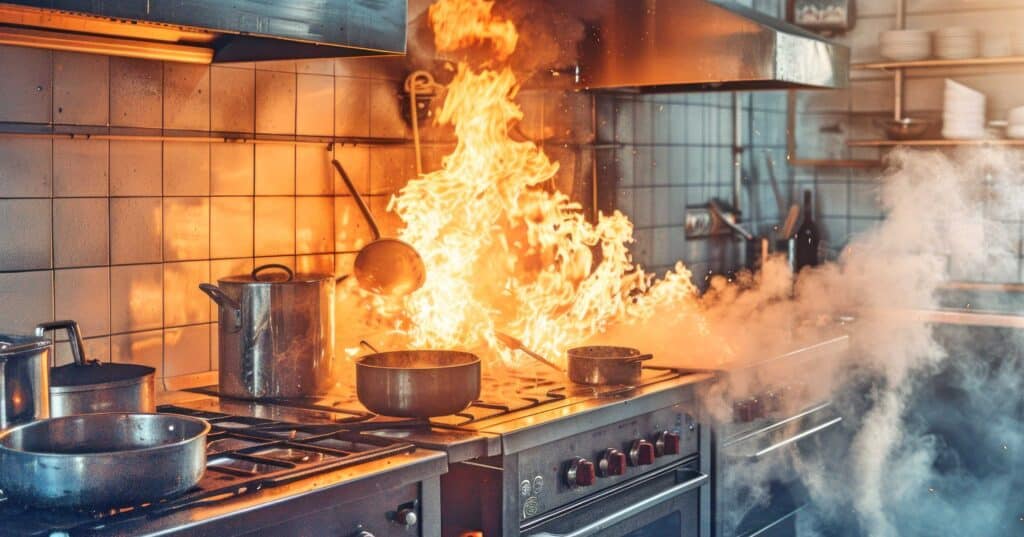
Getting through a lunch or dinner rush in a busy commercial kitchen can sometimes feel like one fire drill after another, but in the middle of all that chaos, an actual fire could put you out of business for good.
A single small fire can shut down your operation, damage expensive equipment, put your staff at risk, and harm your reputation with guests and the City’s Health and Fire inspectors.
Protecting your kitchen from fire hazards is not just about passing your inspections. It’s about keeping your business open, your team safe, and your operation running smoothly day after day.
Fire Safety Matters in Every Commercial Kitchen
Commercial kitchens combine open flames, hot oil, electrical equipment, and constant motion in tight spaces. That makes your commercial kitchen one of the most fire-prone areas of any building.
Even a minor flare-up that is quickly put out can leave behind smoke damage, lingering odors, and massive clean-up costs.
Larger fires can destroy cooklines, shut down service for days or weeks, and trigger costly insurance claims.
Local fire codes, health department regulations, and insurance requirements all assume that you are actively managing fire risk.
Treating fire safety as part of your daily operations and not just an annual checklist, is one of the smartest business decisions you can make.
Recognizing the Most Common Fire Hazards
The first step in protecting your kitchen is understanding your biggest fire risks.
Grease buildup is one of the biggest culprits, especially on hoods, filters, ducts, and around fryers and grills.
Unattended cooking is another frequent cause, particularly when fryers or open-flame equipment are left on during busy rushes or while staff are distracted.
Faulty or overloaded electrical outlets, damaged cords, and makeshift extension setups add another layer of risk, especially around prep tables and small appliances.
Consider installing a restaurant trash sink disposal alternative that doesn’t require water or electricity to eliminate one possible source of an electrical fire hazard.
Improper storage of cooking oils, cardboard boxes, paper products, and cleaning chemicals near heat sources can turn a small flare-up into a fast-moving fire.
When you see clutter in tight areas, blocked exits, or equipment that is hard to reach, you are also seeing conditions that make it harder to respond quickly and safely if something goes wrong.
Keep Hoods, Ducts, and Ventilation Systems Safe
Your hood and exhaust system are designed to pull smoke, steam, and grease-laden vapors away from the cookline.
Over time, that grease can build up on filters, inside hoods, and throughout the ductwork. When it does, it becomes extremely flammable.
A single flare-up on the grill can ignite that residue and carry fire into hard-to-reach areas above the ceiling.
Regular professional hood and duct cleaning is essential, not optional, and the frequency should be based on how heavily you use your cooking equipment.
Between those professional cleanings, your staff should stay on top of wiping down accessible surfaces, cleaning filters as recommended, and paying attention to signs like strong odors, visible smoke, or sticky buildup.
When you treat your hood system as critical safety equipment instead of just another part of the building, you’ll dramatically lower your fire risk.
Grease Management Is Good Housekeeping
Grease does not just live in the ductwork. It splatters on walls, floors, equipment, and nearby surfaces every time you cook.
Over time, that film of grease becomes a silent hazard that can help a small flame travel much faster than you might expect.
Safe grease handling starts with where and how you dispose of used cooking oil and how you manage oil changes in fryers.
It also includes how often you mop grease-prone areas, how you handle greasy rags, and where you store mops, towels, and cleaning supplies.
A realistic, written cleaning schedule that your team can actually follow is much more valuable than a perfect but impossible plan.
When housekeeping is consistent, your kitchen looks better, runs more efficiently, and is far less likely to feed a fast-moving fire.
Equipment Inspection, Maintenance, and Safe Setup
Every piece of equipment in your kitchen has the potential to be a fire source if it is damaged, poorly maintained, or used incorrectly.
Gas appliances need regular checks for loose connections, damaged hoses, and malfunctioning shutoff valves.
Electrical equipment should be inspected for frayed cords, cracked plugs, or outlets that are running too many devices.
Small appliances crowded onto one power strip might seem convenient, but they can be a hidden hazard when they overload a circuit.
Keeping up with manufacturer-recommended maintenance, cleaning around and under equipment, and testing safety features such as automatic shutoffs help reduce surprises.
When you invest in equipment maintenance, you are also investing in fire prevention and better performance.
Fire Suppression Systems and Extinguishers
An automatic fire suppression system over your cookline is one of the most important fire protection tools in a commercial kitchen.
These systems are designed to detect a fire, release a specialized extinguishing agent, and shut off the fuel source in a matter of seconds.
But they only work properly if they are inspected and serviced on schedule by qualified professionals.
Portable fire extinguishers are another crucial layer of defense, especially Class K extinguishers for cooking oil and grease fires.
They need to be placed where staff can easily reach them without stepping into the flames, and everyone on the team should know which extinguisher to grab and how to use it.
When your suppression system is up to date and your extinguishers are in place and clearly visible, your kitchen is far better prepared for an unexpected flare-up.
Safe Cooking Practices and Staff Training
Policies and equipment are only effective if your team knows what to do and follows through consistently. Safe cooking practices should be part of your training from day one.
Staff should understand why fryers, open flames, and broilers must never be left unattended, even for a moment.
They should be trained to recognize early signs of danger, such as oil beginning to smoke or a pan that is getting too hot.
Just as important, they need to know what never to do, like using water on a grease fire or trying to carry a burning pan across the kitchen.
Regular training sessions and refreshers help keep fire safety at the front of everyone’s mind, not just something covered in orientation and forgotten.
Storage, Organization, and Reducing Fuel for Fires
The way you organize your kitchen has a direct impact on fire safety.
Flammable items such as cardboard boxes, paper towels, oven mitts, linens, plastic containers, and cooking oils should be stored away from open flames, hot surfaces, and electrical panels.
Aisles, exits, and access points to fire equipment need to stay clear so staff can move quickly and safely in an emergency.
Using metal shelving and non-combustible surfaces where possible can help slow the spread of a fire if one does start.
When storage decisions are made with fire safety in mind, your kitchen becomes easier to navigate, easier to clean, and safer overall.
Creating an Emergency Action Plan
Even with strong prevention measures, you still need a clear plan for what happens if a fire breaks out.
An emergency action plan should outline exactly what steps staff should take, in what order, when they see a fire.
That might include pulling a manual release on the hood suppression system, using an extinguisher if it is safe to do so, shutting off gas or electric power, and evacuating the area.
Everyone should know who is responsible for calling 911, who leads guests or non-kitchen staff out of the building, and where to gather once outside.
Practicing that plan through occasional drills helps your team stay calm and focused when seconds matter most.
Partnering with Fire Safety Professionals
You do not have to manage all aspects of fire protection alone. Working with qualified fire safety professionals can help you stay ahead of problems and keep your systems working as designed.
Regular visits from hood cleaning companies, fire suppression technicians, and extinguisher service providers help ensure that your equipment is compliant and ready to perform.
Local fire inspectors can also be a valuable resource rather than just a source of stress.
When you build a relationship with these professionals, they can help you understand what they look for, answer questions, and point out opportunities to improve before issues turn into violations or emergencies.
Documentation, Inspections, and Insurance
Keeping good records is an often overlooked part of fire safety.
Documentation of hood cleanings, suppression system inspections, extinguisher service, staff fire safety training, and any maintenance on gas or electrical lines shows that you are taking your responsibilities seriously.
These records matter during inspections and can be very important if you ever have to file an insurance claim.
In many cases, strong fire protection practices can also influence your insurance coverage and premiums.
When you have documentation ready and your kitchen clearly reflects the policies on paper, inspections tend to go more smoothly and you are better protected if something does happen.
Building a Fire-Safe Culture in Your Kitchen
Ultimately, protecting your commercial kitchen from fire hazards is about more than equipment and checklists. It is about culture.
When owners and managers take fire safety seriously, staff follow their lead.
When team members feel comfortable speaking up about frayed cords, grease buildup, blocked exits, or malfunctioning equipment, small problems get fixed before they become major incidents.
Recognizing and rewarding safe habits, keeping cleaning and maintenance realistic, and weaving fire safety into everyday conversations all help build a kitchen environment where prevention is part of the job, not an afterthought.
Prevent Fire Hazards With Our Restaurant Trash Sink Disposal Alternative
If you want to keep your prep sinks from getting clogged with food solids, The Drain Strainer™ solid separator captures food debris that either can be disposed of or kept for composting.
The Drain Strainer™ can help you avoid issues with what gets put down your prep sinks. No matter how much you focus on employee training, short cuts are always going to be taken and items are going to be put down your restaurant trash sink disposal that can harm it.
If a utensil accidentally goes down The Drain Strainer™, it simply ends up in your strainer drawer and can be easily retrieved without any damage.
By investing time and attention into fire prevention, maintenance, training, and planning, you are protecting more than your building.
You are safeguarding your employees, your guests, and the future of your business.
If you want to avoid issues with clogged grease traps or restaurant trash sink disposals that are leaking or have burned out motors, The Drain Strainer™ scrap collector system is an effective and affordable commercial kitchen waste disposal system alternative that doesn’t require the use of water or electricity.
Invented by a former restaurant owner, The Drain Strainer™ can eliminate issues with mangled silverware or dangers from employees putting their hands down the foodservice disposer trying to clear out a clog.
Click here to find out more about how our restaurant trash sink disposal alternative can keep your grease trap free from clogs.
Let The Drain Strainer™ keep your prep sinks running smoothly by capturing food solids and avoiding any problems with your commercial kitchen floor drains.