

The Drain Strainer Helps Avoid Bad Press From Grease Trap Backups
A sewage backup in a commercial kitchen can quickly turn a routine plumbing problem into a serious public health concern. A recent incident at a local restaurant in Pennsylvania demonstrates how clogged drains and grease trap backups can result in lost revenue, costly repairs, negative publicity, and even a mandatory restaurant closure.
- A sewage backup forced the restaurant to close. Health inspectors discovered wastewater and grease trap contents backing up through a food preparation sink and spilling onto the kitchen floor.
- Plumbing problems can become health code violations. Contaminated wastewater in food preparation and dishwashing areas creates serious sanitation risks that can require immediate closure.
- The financial consequences extend beyond plumbing repairs. Restaurants may face emergency repair costs, professional cleaning expenses, lost business, and lasting damage to their reputation.
- Food solids and grease contribute to clogged commercial kitchen drains. Accumulated food particles, fats, oils, and grease can restrict wastewater flow and increase the risk of backups.
- Preventive maintenance helps reduce plumbing emergencies. Regular grease trap cleaning, proper food waste disposal, and attention to early warning signs can help restaurants avoid preventable problems.
- The Drain Strainer helps keep food solids out of commercial kitchen plumbing. By separating food scraps from wastewater instead of grinding them down the drain, The Drain Strainer can help reduce clogs, grease trap backups, and the risk of costly plumbing disruptions.
Let's take a closer look at each of these main points in more detail.
Clogged Drain Becomes Public Health Crisis for Restaurant
Most restaurant owners understand that plumbing problems are an occasional hazard of running a commercial kitchen. A slow drain, a clogged grease trap, or a backed-up sink can be frustrating, but these problems are often treated as routine maintenance issues.
But some plumbing problems are anything but routine. When wastewater begins backing up into food preparation areas, a restaurant can suddenly find itself dealing with much more than a plumbing repair.
The consequences can include lost revenue, expensive cleanup, health department violations, and even an involuntary closure.
That's what happened to a local restaurant in Pennsylvania when a sewage backup forced health officials to shut down the business.
A Sewage Backup That Shut Down a Restaurant
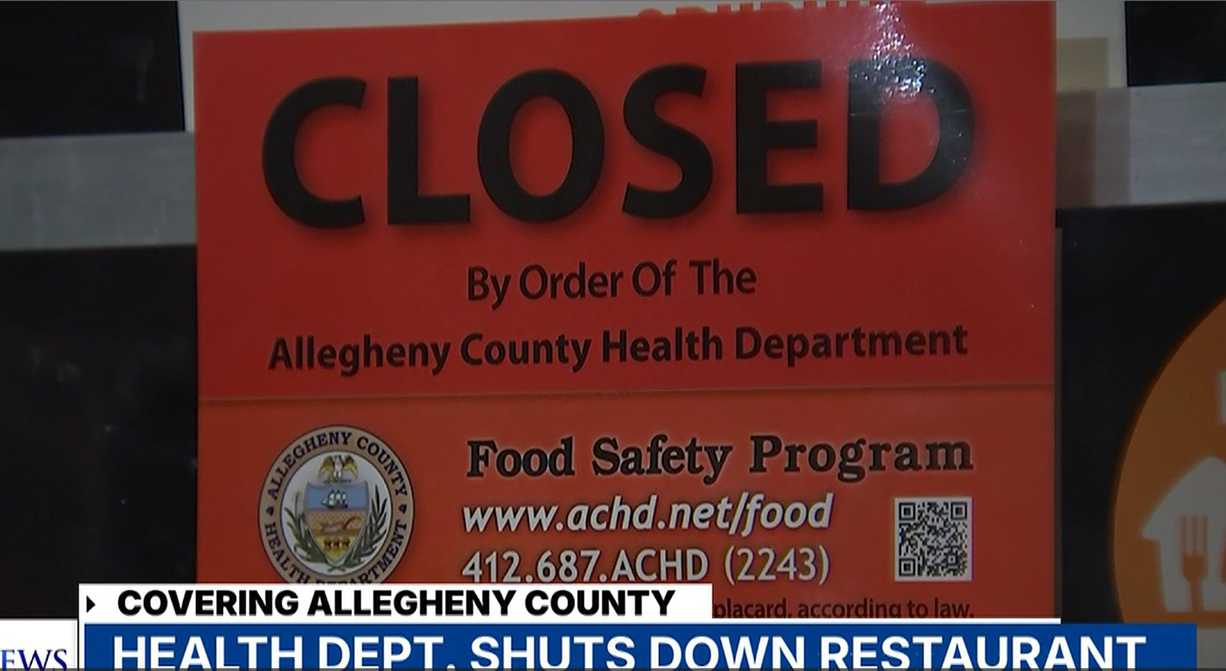
The Allegheny County Health Department ordered the restaurant to close after inspectors discovered an active sewage backup in areas used for food preparation and washing dishes.
According to the inspection findings, the restaurant's three-compartment sink and food preparation sink were connected through the plumbing system.
When employees filled and drained the three-compartment sink, wastewater and grease trap contents backed up through the food preparation sink drain and spilled onto the kitchen floor.
This wasn't simply a matter of water draining too slowly. The plumbing system was allowing contaminated wastewater to enter an area where food was handled and equipment was cleaned.
To make matters worse, the backup left employees without a safe, functioning way to wash, rinse, and sanitize food-contact surfaces. Without that capability, their kitchen could not operate safely.
Health inspectors ordered the restaurant to stop operating until the sewage problem was corrected and the affected areas were properly cleaned and sanitized. The inspection also identified other violations requiring attention.
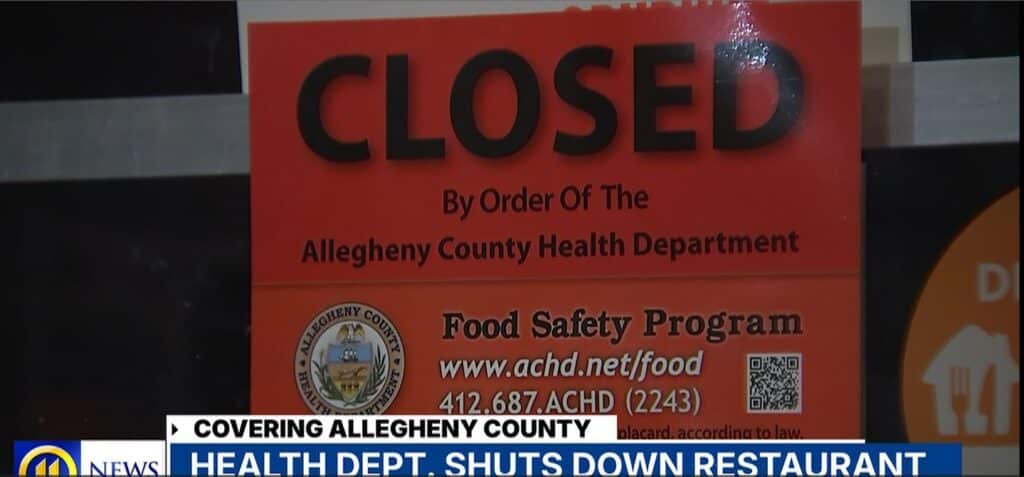
A notice posted at the restaurant informed customers that the establishment had been closed by order of the health department because conditions posed a serious health risk.
The Cost of a Restaurant Sewage Backup Goes Beyond Plumbing Repairs
When a restaurant experiences a serious drain backup, calling a plumber is just the beginning.
In this Pennsylvania case, health officials instructed the restaurant to have its grease trap serviced, emptied, and cleaned.
A plumber would need to identify and eliminate the clogs contributing to the backup. The affected floor areas also needed to be thoroughly disinfected, and the restaurant was directed to obtain a maintenance agreement for future grease trap service.
Those requirements represent real expenses, but the financial consequences of an unexpected closure can extend well beyond the repair bill.
Every day the restaurant remains closed means lost sales, wasted food, disrupted employee schedules, and disappointed customers. Depending on the circumstances, the restaurant may also face additional inspection requirements before reopening.
Then there's the potential damage to its reputation.
Once the local news media picks up the story, the problem reaches far beyond the people who tried to visit the restaurant while it was closed.
News stories about sewage backups and health department closures can remain searchable online long after the original problem has been corrected.
That's a lot of negative publicity stemming from a plumbing problem.
Why Commercial Kitchen Drains Are Particularly Vulnerable to Clogs
Commercial kitchens put their drainage systems through considerably more punishment than the average household.
Throughout the day, employees wash dishes, rinse cookware, clean food preparation equipment, and dispose of food scraps. Grease, oils, sauces, starches, and other food residues routinely find their way into the plumbing system.
Even restaurants that make a conscientious effort to keep grease and food waste out of their drains can struggle with buildup over time.
Grease can accumulate along the walls of drainpipes, restricting the flow of wastewater. Food particles can collect in these deposits, making the obstruction progressively worse.
Meanwhile, the grease trap or grease interceptor must separate and retain fats, oils, grease, and solids before wastewater continues into the sewer system. Without proper maintenance, accumulated materials can reduce its effectiveness and contribute to drainage problems.
When wastewater has nowhere to go, it may begin backing up through connected plumbing fixtures or floor drains.
The Pennsylvania incident demonstrates how quickly a drainage problem can affect several parts of a kitchen. What might initially appear to be an isolated issue at the three-compartment sink can become a much more serious sanitation problem.
Preventive Maintenance Is Far Less Disruptive Than an Emergency Shutdown
Restaurant owners can't eliminate every plumbing emergency. Pipes deteriorate, unexpected obstructions occur, and even well-maintained systems occasionally experience problems.
However, there are practical ways to reduce the likelihood of preventable drain backups.
Regular grease trap pumping and cleaning are essential. Restaurants should follow a maintenance schedule appropriate for their equipment, wastewater volume, and local regulatory requirements rather than waiting until drainage problems appear.
Employees should also understand what belongs in the plumbing system and what doesn't. Large quantities of grease, food scraps, and other solid waste should never be treated as something the drains can simply handle.
Equally important is recognizing early warning signs. Slow-draining sinks, recurring clogs, unpleasant odors, and wastewater appearing where it shouldn't can all indicate a developing problem.
These warning signs deserve attention before a health inspector discovers the consequences.
Another preventive measure worth considering is reducing the amount of solid food waste that enters the drainage system in the first place.
That's where The Drain Strainer can help.
The Drain Strainer Helps Reduce Commercial Kitchen Plumbing Problems
The Drain Strainer was designed to address a common problem in commercial kitchens: too much solid food waste entering the plumbing system.
Traditional commercial garbage disposals grind up food scraps and send them down the drain.
Even though the food particles become smaller, they don't disappear. They still travel through the plumbing system and can ultimately contribute to drain buildup and the accumulation of solids in grease traps.
The Drain Strainer takes a different approach.
Instead of grinding food waste and washing it down the drain, The Drain Strainer separates solid food particles from wastewater before those solids enter the plumbing system. Food scraps are collected for proper disposal, while wastewater continues through the drainage system.
By keeping more food solids out of the pipes, restaurants can reduce one of the contributing factors behind recurring drain clogs and grease trap maintenance problems.
Unlike a conventional commercial garbage disposal, The Drain Strainer requires no electricity or water to operate. It also has no grinding blades, eliminating the safety concerns associated with reaching into a garbage disposal.
Another advantage is its ability to capture silverware and other utensils that might otherwise disappear down the disposal.
The Drain Strainer also incorporates a built-in air gap, an important plumbing safety feature that provides physical separation between the equipment's discharge and the receiving drainage system.
Reducing the amount of solid food waste entering a commercial kitchen's plumbing system is a sensible preventive step that can help minimize avoidable problems.
Don't Let a Drain Backup Become Your Restaurant's Next Headline
The Pennsylvania restaurant's experience is a reminder of just how much is at stake when something goes wrong beneath a commercial kitchen sink.
A plumbing emergency can interrupt food preparation, bring dishwashing operations to a halt, create unsanitary conditions, and attract unwanted attention from the health department. In the worst situations, it can force an otherwise busy restaurant to close its doors.
No restaurant owner wants to spend money on emergency plumbing repairs. And certainly nobody wants to see their restaurant featured in a news story about sewage backups and health department violations.
Preventive maintenance, responsible food waste handling, and equipment that helps keep solids out of the plumbing system can all play a role in reducing those risks.
The Drain Strainer offers commercial kitchens a simple way to keep food scraps out of their drains instead of grinding them up and hoping they don't cause problems farther down the line.
If you're looking for ways to reduce plumbing headaches, minimize unnecessary grease trap maintenance, and help keep your kitchen operating smoothly, click here to learn more about The Drain Strainer.
A little prevention today could help you avoid a very expensive interruption tomorrow.
To prevent problems in your commercial kitchen drains that can result from having a clogged grease trap, consider installing The Drain Strainer.
Invented by a former restaurant owner, The Drain Strainer is a commercial garbage disposal alternative that captures food solids that could clog your pipes and grease trap while still allowing your sinks to drain quickly.